Recognizing good denim dye
Dye plays a key role in the appearance and longevity of denim.
- Natural or synthetic indigo: natural indigo offers a richer, more harmonious patina over time.
- Multi-bath dyeing: the more indigo baths, the deeper and more durable the color.
- Color uniformity: good dyeing is consistent, without excessive stains or irregularities.
- Gradual fading: quality denim fades subtly, without overly pronounced contrasts.
Tip: wipe a new pair of raw jeans with a damp cloth. Excessive color transfer may indicate a lower quality dye.
Different weights of denim fabric
The weight of denim, expressed in ounces per square yard (oz/yd²), directly influences the comfort and durability of jeans.
- Lightweight fabric (8 to 10 oz): soft and breathable, ideal for summer, but less durable.
- Medium-weight fabric (11 to 13 oz): the most versatile, perfect for everyday use.
- Heavyweight fabric (14 oz and above): very durable, ideal for winter and raw denim enthusiasts looking for a marked patina.
Note: heavy denim takes longer to soften, but gains character and durability.
The details that make the difference
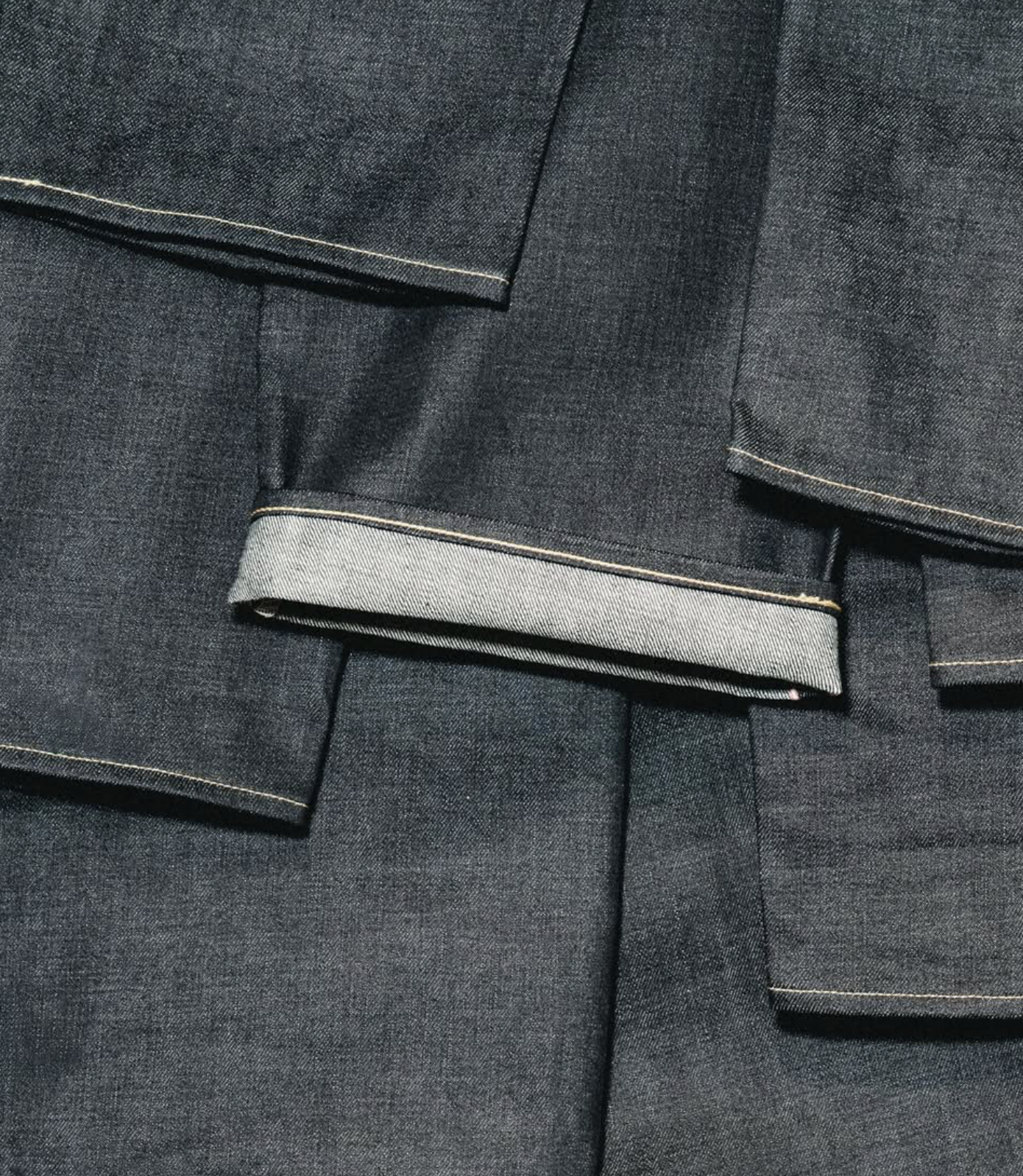
✔ Stitching and finishes: even, tight, and reinforced in areas subject to stress.
✔ Pockets and rivets: well positioned to structure the silhouette and reinforce durability.
✔ Buttons and fastenings: sturdy metal and high-quality fastenings for greater longevity.
✔ Belt loops: securely sewn to withstand wear and tear.
✔ Size and length: a good fit is essential, as raw denim tends to stretch over time.
✔ Leather patch: the brand's signature, reinforcing the authenticity of the jeans.